
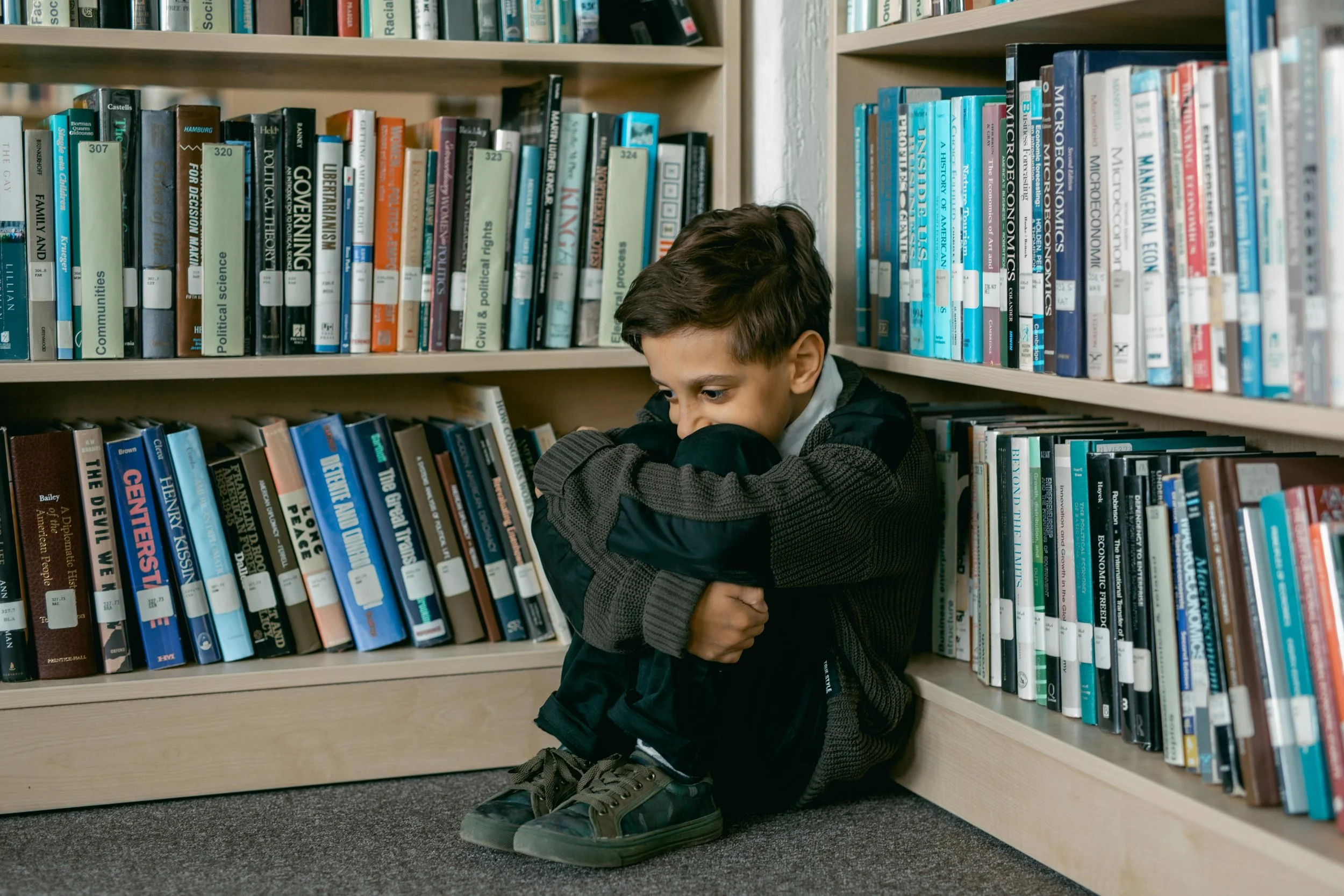
It’s the night before your child’s first day of school or the annual ritual of going back after the holidays. The alarm clock is set, the backpack is filled with supplies, clothes are laid out, and lunch is packed. But the next day comes and BOOM! Everything has changed. Now it’s the arrival of stomachaches, saying “No, I don’t want to go,” and the feeling of dread continues…
Now the question is: Why is my child afraid of going to school? How do I get them to go? How can I help them to not be afraid? This blog will teach parents effective ways to help their child face their fear of school.
What’s the Fear?
When kids don’t want to go to school, they exhibit school refusal behavior as a result. Once this happens, next comes the curiosity behind the behavior. Identifying such fears and reasons can be a crucial first step behind that curiosity. For example:
Separation Anxiety
School is a new place for kids to adjust to. They become exposed to unknown territory and new peers besides what they’re already used to (i.e, parents, home). Therefore, it can be a difficult transition and cause for worry about what happens while being separated from their comfort zone.
Social fears
Being surrounded by new and unfamiliar people can be overwhelming. School also becomes a place to find your sense of belonging. If children don’t get to acquire that, especially due to the lack of friendships and/or negative outlooks from others, this further creates an avoidance towards social interactions.
Academic challenges
School can be a challenge for children. They learn at different paces and may have their own style of learning. It’s important for children to learn in a way that makes sense to them and to have access to supportive outlets/resources that can address challenges.
Methods for Overcoming Fear
Overcoming the fear of school is already a heavy feeling in itself. But it doesn’t have to be. With the right use of these helpful tools to support your children, the process can be filled with such ease.
1. Take it One Step at a Time
It takes time to be comfortable in a new environment. Starting small can be beneficial, such as manageable steps (i.e, attending one class, completing one assignment, talking to one peer). The more practice, the more this allows your child to boost their confidence and get accustomed to their latest surroundings.
2. Collaborate with staff
Staff and parents are part of the link between a child’s learning experience in school. The sooner and more aware they are of a child’s academic needs, the higher the support can be contributed. Such support can include: classroom accommodations (i.e, breaks, preparation before engagement of tasks) and a reliable routine to use daily. Talk to your child’s staff/school about their situation and create a support system.
3. Relaxation Techniques
Fear is one of those internal feelings that affects our nervous system. When kids experience this, they become dysregulated. Take time to practice deep breathing with your child, as doing this can create calmness.
4. Routine/Structure
Starting and ending the day smoothly sounds like a dream come true. Talking with your child ahead of time about the upcoming school day creates a balance between emotional regulation and positive outcomes.
5. Positive Talk and Addressing Benefits
Talk with your child about the good things that school has to offer. There can be plenty of benefits, such as making a friend, fun activities, or rewards for passing a test or completing homework. The more that children are notified of these benefits, the higher the chance that they will want to attend school.
What NOT To Do: Common Mistakes Parents Make
You want what’s best for your child/children, which is why you step in to help. But there are some things to keep in mind that might NOT be beneficial to do, especially if that sense of fear is heightened already.
Pressure for attendance - The more fearful children are of going to school, the more overwhelming the experience may become over time. It’s never a good idea to force or pressure them to attend as a solution because that would increase the risk of anxiety, trauma, and lack of confidence.
Dismiss their feelings - Children trust their parents enough to share how they feel about things. If it’s not being taken seriously or into consideration, then it causes a “shut down” mode of communication for them, which can even be more challenging as they also navigate their emotions.
Conclusion
Being afraid to go to school is a common experience. It doesn’t make children any less capable of attending. You are and can be your child’s biggest advocate to reach achievements, no matter how big or small. Engaging in these methods can increase their chances of feeling comfortable, supported, and secure in their educational journey.